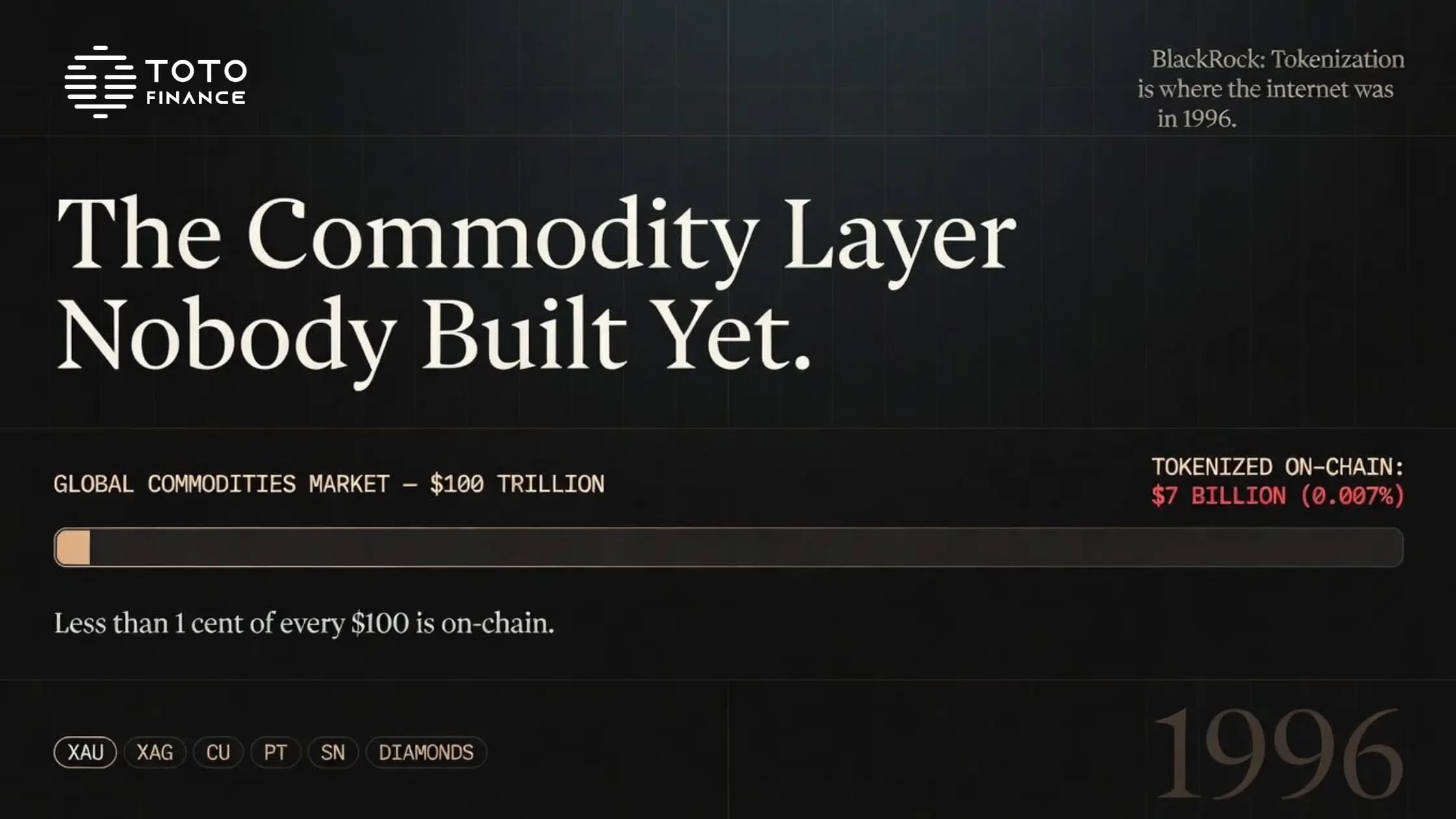
Web3 Transformation: From Asset to Tokenization
The evolution of the digital landscape through Web3 technologies has led to a new era of asset management and investment.
The evolution of the digital landscape through Web3 technologies has led to a new era of asset management and investment. One of the most transformative concepts is asset tokenization. Indeed, this new approach is transforming the investment landscape, with projections suggesting it could exceed $10 trillion by 2030.
This innovative process creates digital representations of physical assets—such as real estate, gold, and diamonds. It enables easier trading and ownership transfer. This democratization of investment opens new avenues for individual investors and reshapes traditional markets. In this blog, we are going to explore the steps involved in tokenizing assets, focusing on real estate and commodities. So, let’s dive in:
What is Asset Tokenization?
Asset tokenization means creating a digital representation of a physical asset. This digital token can represent either a fraction or the entirety of the asset. Moreover, it allows easier trading, ownership transfer, and investment opportunities. The process also enhances liquidity and accessibility, which encourages more people to invest in high-value assets that were previously out of reach.
Types of Assets That Can Be Tokenized in Web3
Indeed, you can tokenize different asset types, such as:
- Physical Assets: These include tangible items like real estate and art, which can be fractionalized into tokens.
- Digital Assets: Cryptocurrencies and non-fungible tokens (NFTs) represent digital assets that are inherently designed for tokenization.
- Intangible Assets: Intellectual property, such as patents or trademarks, can also be tokenized. It allows creators to monetize their work while ensuring transparent ownership and rights management.
Steps Involved in Tokenizing an Asset
However, how can you tokenize assets? So here is the step-by-step process in brief. The process generally follows these key steps:
Step 1: Asset Identification
The first step is selecting the asset to tokenize. It could range from real estate properties to commodities like gold or diamonds.
Step 2: Legal Framework and Compliance
Understanding the regulatory environment is crucial. Depending on the asset type, it may need to comply with specific securities laws or commodity regulations.
Step 3: Digital Representation
Once the legalities are sorted, a digital token is created on a blockchain. It involves choosing the appropriate blockchain platform (like Ethereum or Binance Smart Chain) and defining the token type (fungible or non-fungible).
Step 4: Custody and Security
If the asset has a physical counterpart, it must be securely stored in a facility that ensures its safety until the token is traded or sold.
Step 5: Distribution and Trading
Finally, the tokens are distributed to investors, who can trade them on various platforms, thereby facilitating liquidity.
Tokenizing Real Estate in Web3
Real estate tokenization has gained traction due to its potential to democratize property investment. For example, platforms like RealT allow investors to purchase fractional ownership in properties through tokens.
It means instead of needing hundreds of thousands of dollars to buy a property, an investor can buy a fraction for as little as $50. So, this model not only increases accessibility but also enhances liquidity.
Tokenizing Commodities
Tokenization is also making waves in commodities like gold and diamonds. You can buy digital tokens backed by physical assets. It allows the investors to trade these tokens without storing the actual commodity.
Gold-backed Tokens
Gold-backed tokens are one of the most popular forms of commodity tokenization. Each token represents a specific amount of gold stored in a secure vault. For instance, platforms like Paxos and Tether Gold allow users to buy tokens that correspond directly to physical gold holdings.
Diamond-backed Tokens
At Tiamonds, we are revolutionizing diamond investment by tokenizing real diamonds, making them an accessible asset class. Each Tiamonds (tokenized diamond) represents a physical diamond securely stored in a vault in Liechtenstein. This innovative approach transforms diamonds into stock-like tradable commodities.
Our platform ensures that each diamond is ethically sourced and conflict-free, providing a transparent and secure investment experience. With Tiamonds, you can enjoy digital ownership, trade and the option to redeem your tokens for the actual diamonds anytime.
Benefits of Asset Tokenization in Web3
Here are the key benefits of asset tokenization:
Increased Liquidity
It gives access to fractional ownership, which allows assets that were once illiquid to be traded more easily.
Accessibility
Lower investment thresholds open up high-value markets to a broader audience. You can consider it to diversify your investment portfolio.
Transparency and Security
Blockchain provides trust, traceability and transparency. It provides an immutable record of ownership and transaction history, reducing fraud risk.
Efficiency in Transactions
Smart contracts automate processes such as transfers and payments, minimizing administrative overhead.
Challenges Ahead for Tokenized Assets
Despite its promise, asset tokenization faces several challenges, such as:
Regulatory Uncertainty
Different jurisdictions have varying regulations regarding digital assets, which can complicate compliance.
Market Adoption
While interest is growing, widespread adoption is still needed for significant market impact.
Security Risks
As cyber threats evolve, the web3 technology must adapt to protect tokenized assets from potential vulnerabilities.
Conclusion
As we move further into the Web3 era, asset tokenization stands out as a revolutionary approach that could redefine how we invest in real estate and commodities like gold and diamonds. It breaks down barriers to entry and enhances liquidity. This technology not only democratizes access but also paves the way for innovative investment strategies. With ongoing advancements and increasing regulatory clarity, the future looks promising for tokenized assets in our increasingly digital economy.
The Redemption Gap: What Tokenized Gold Platforms Don’t Tell You
The SEC Just Opened the Door to Tokenized Stocks. Commodity Tokenization Was Already Inside.
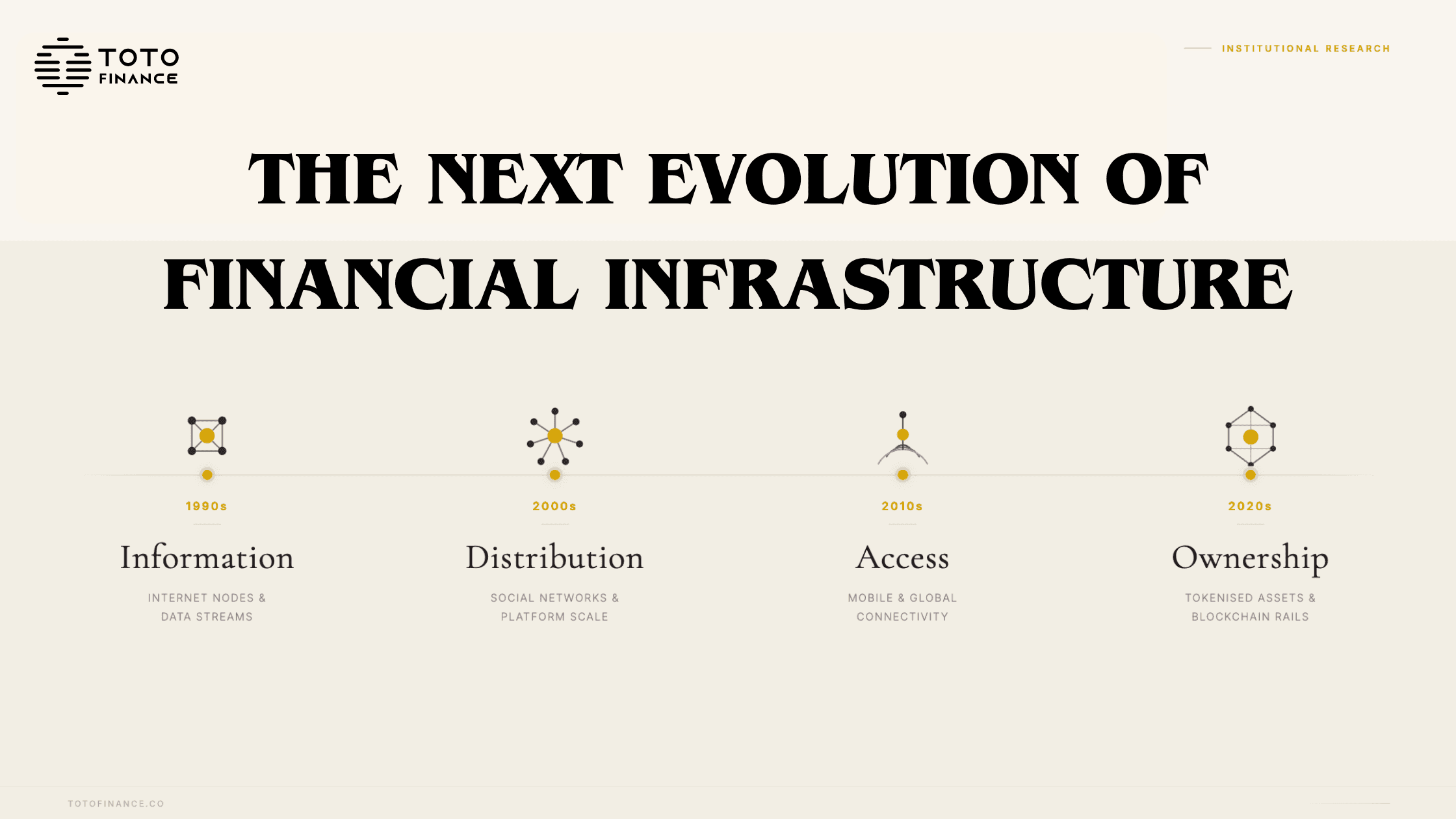
The Internet Made Information Digital. Blockchain Is Making Ownership Digital.
The IPO Boom Is Here. Why Tokenized Commodities Matter More Than Ever Right Now.
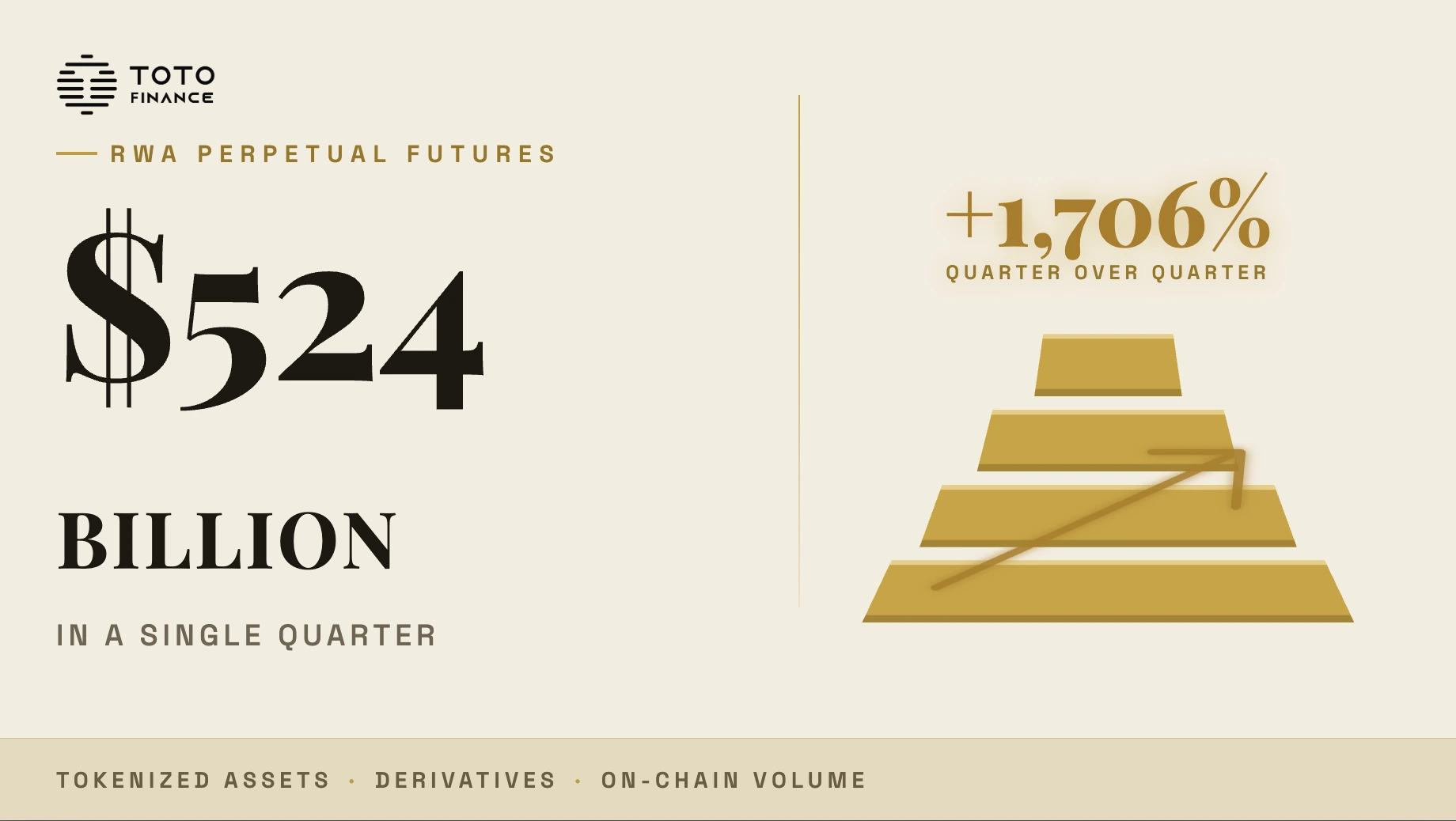
$524 Billion in RWA Perpetual Futures. One Quarter. Here Is What That Actually Means.
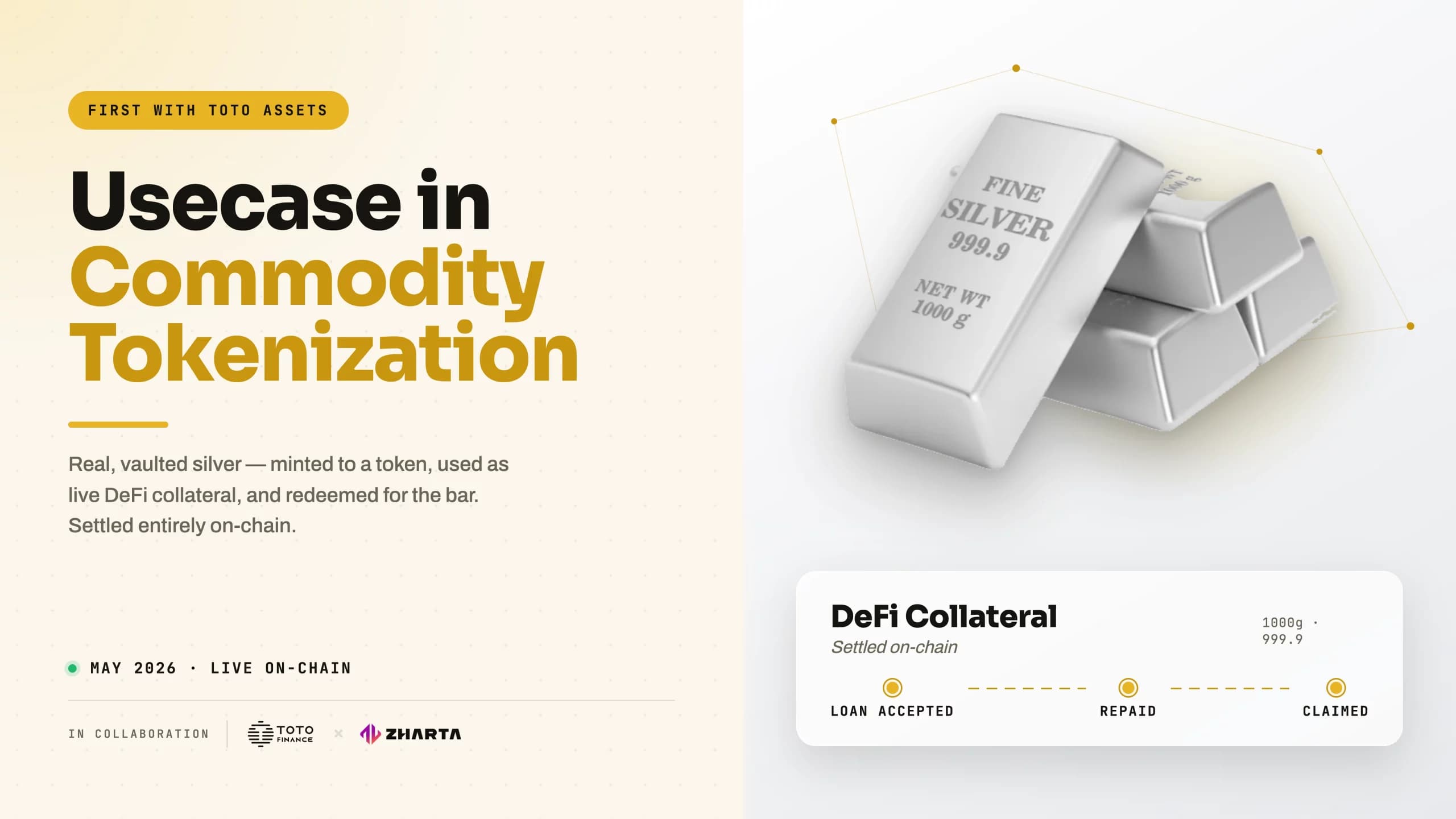
A Use Case in Commodity Tokenization: Toto Finance x Zharta
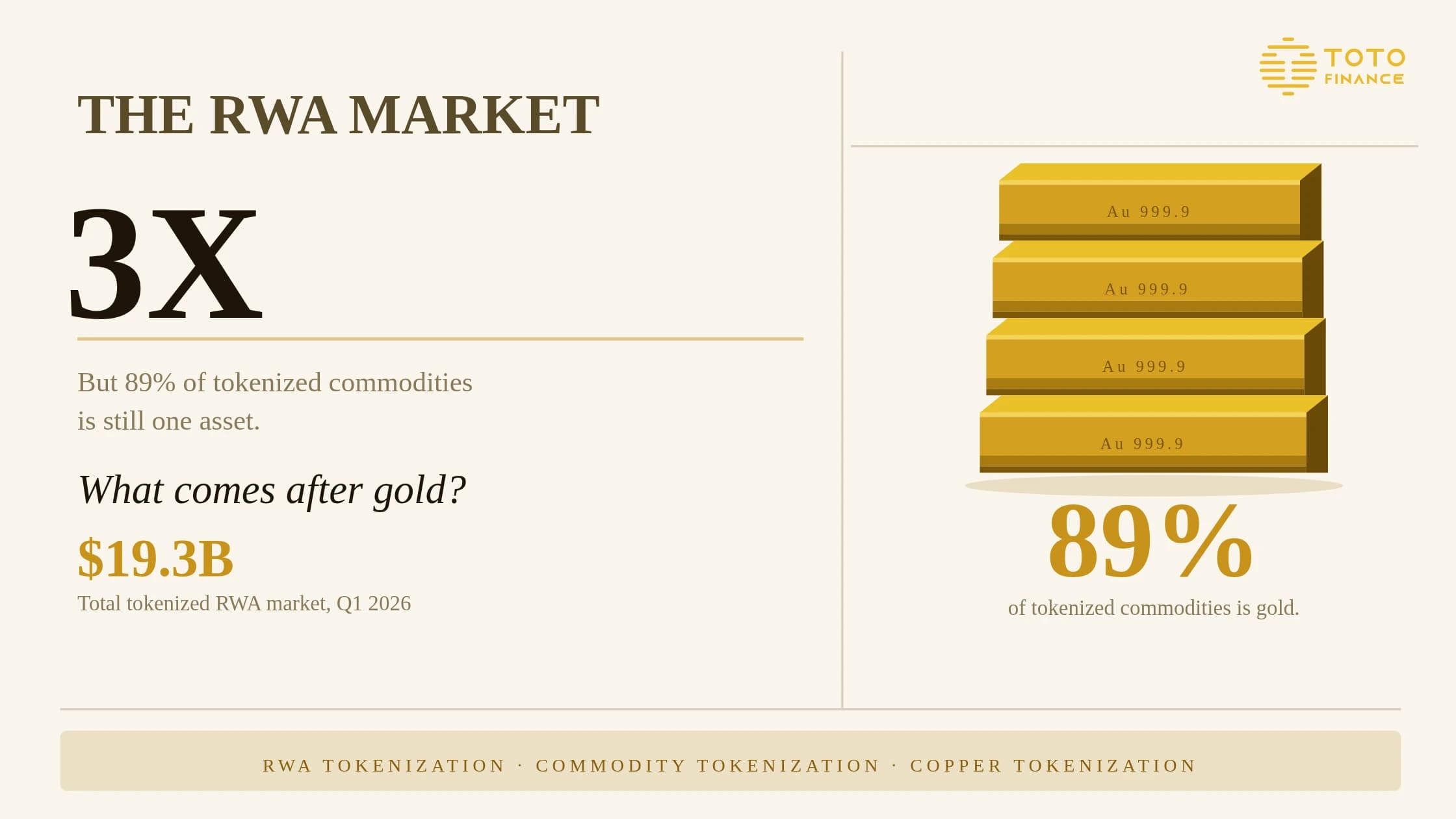
The RWA Market Just Tripled. Nobody’s Talking About What Comes After Gold.
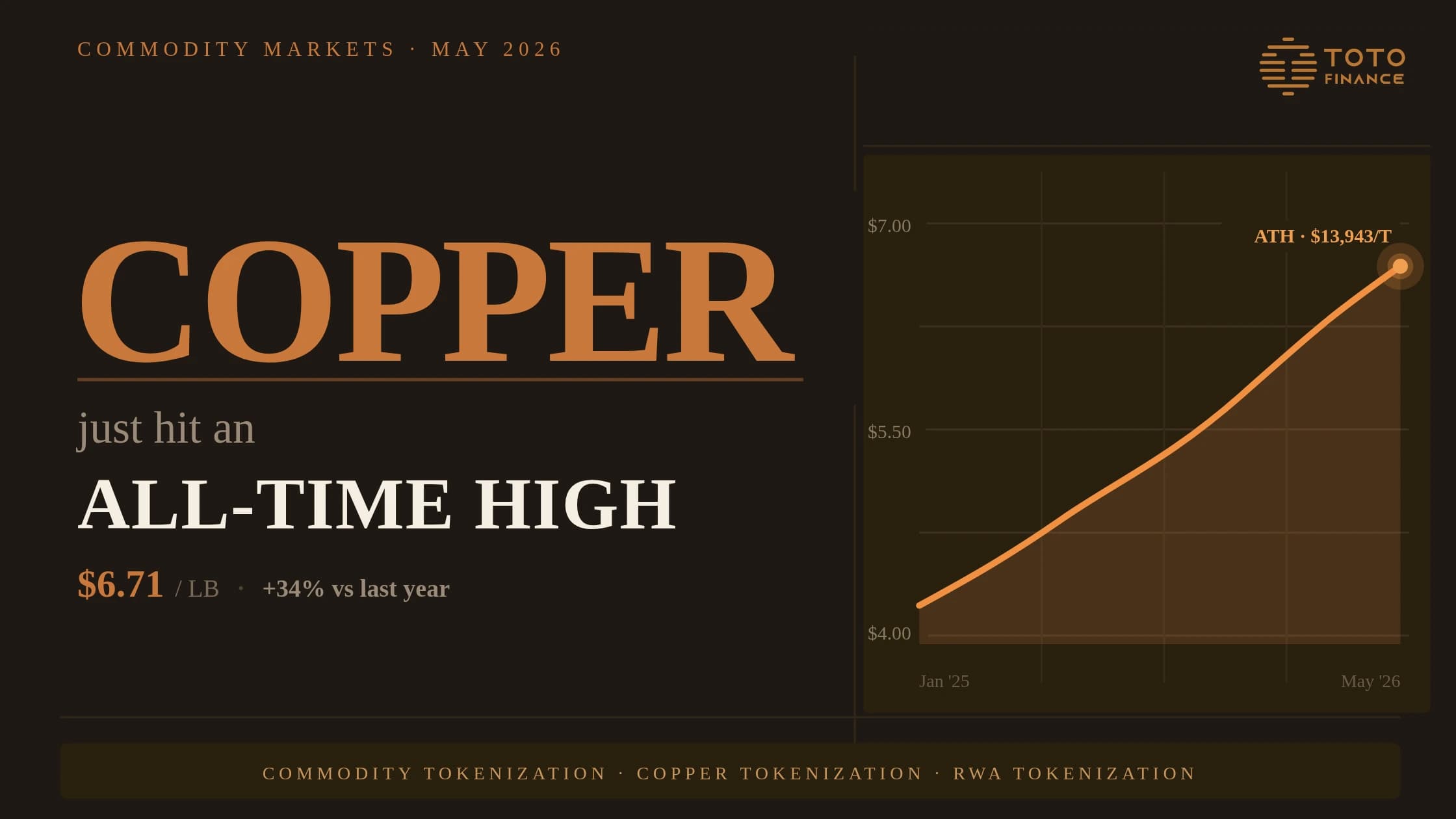
Copper Just Hit an All-Time High. Here Is Why Commodity Tokenization Changes What That Means for You.
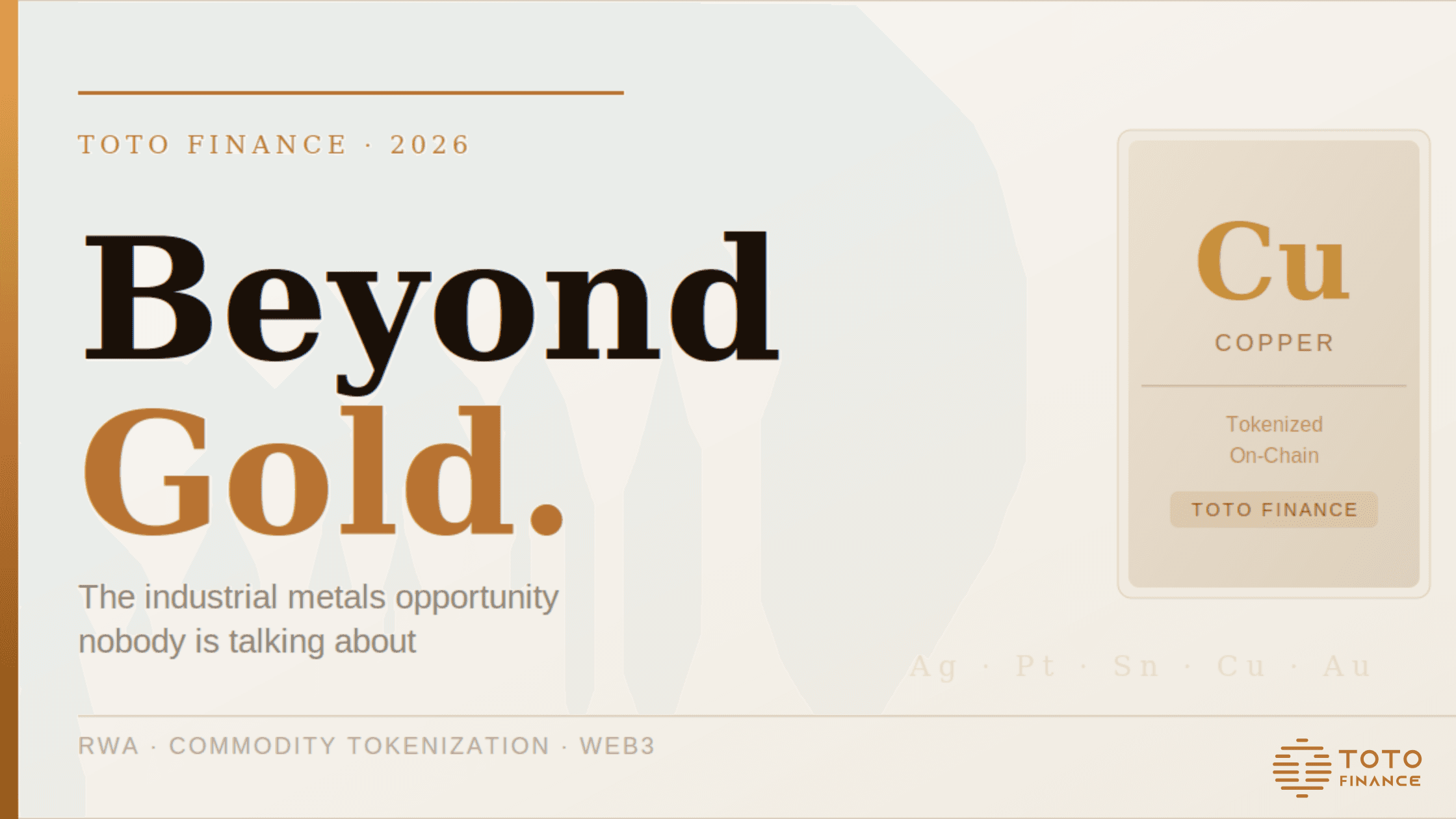
Beyond Gold: The Industrial Metals Opportunity Nobody Is Talking About